
Decoding Food Labels, Part 2: Seafood & Produce
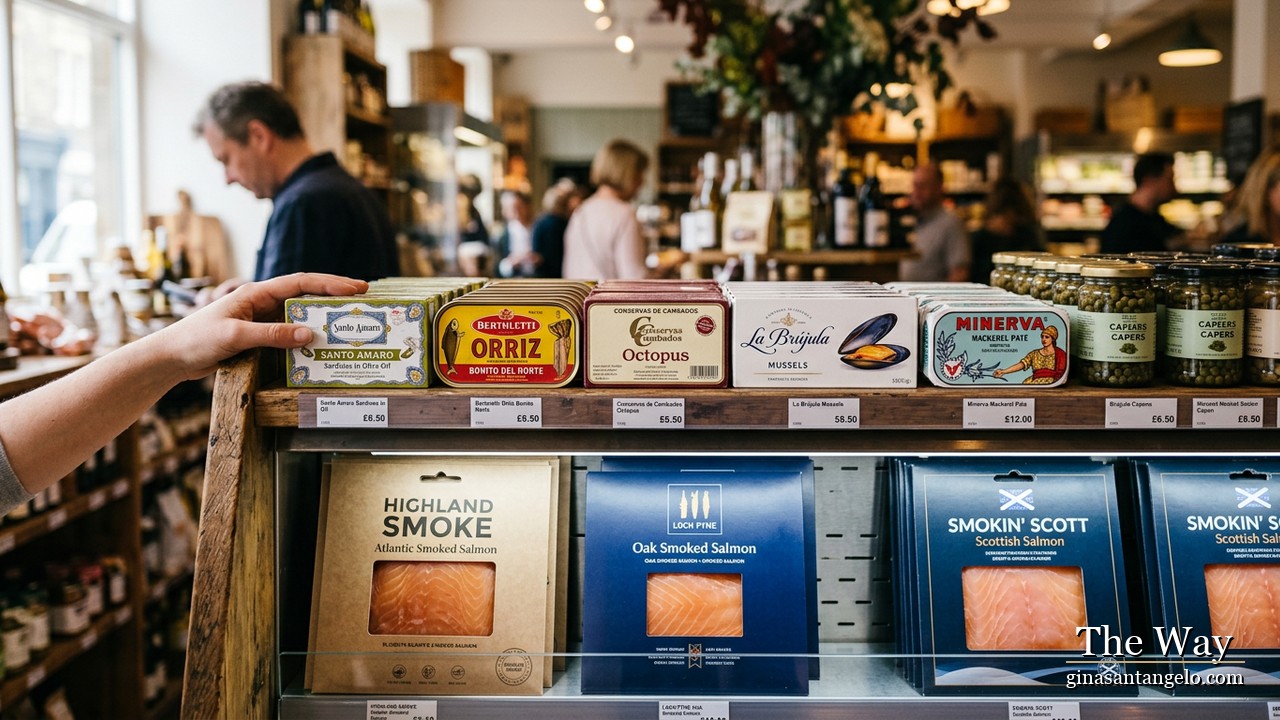
For fish, choose wild and look for a sustainability seal. For produce, know that ‘natural’ means nothing, ‘organic’ means a lot, and ‘GMO’ is now labeled ‘Bioengineered.’
Fish: wild, and verified
Wild-caught is generally the healthier, lower-impact choice, but the labeling is loose (Country-of-Origin rules exempt processed seafood and restaurants), so it's always fair to ask. For a real guarantee, look for Marine Stewardship Council (MSC) for sustainability, Dolphin-Safe on tuna, or a Seafood Safe mercury rating.
Produce: the seals that mean something
USDA Organic is the big one, no synthetic pesticides, no GMOs, audited yearly. And a quick tell right at the shelf: the produce sticker (PLU code), five digits starting with 9 means organic; four digits starting with 3 or 4 means conventionally grown.
‘GMO’ is now ‘Bioengineered’
Another update worth knowing: as of 2022, U.S. law requires foods with genetically modified ingredients to carry a ‘Bioengineered’ (BE) disclosure, ‘GMO’ has essentially retired as a label term. To avoid them, look for that Bioengineered disclosure (it's on packages now), or the third-party Non-GMO Project Verified seal (certified under 0.9%).
The words that sound good but aren't regulated
‘Natural’ has no legal definition, the food may be heavily processed. ‘Made with real fruit’ can mean a whisper of fruit concentrate. ‘Made with organic ingredients’ means at least 70% organic (versus 95%+ for the full USDA Organic seal). Ethics marks like Fair-Trade and Rainforest Alliance are audited and mean what they say.
Two quick wins in the produce aisle: a PLU code starting with 9 means organic, and the word ‘natural’ on a package means essentially nothing. Trust seals, not adjectives.