
Decoding Food Labels, Part 3: Reading the Package
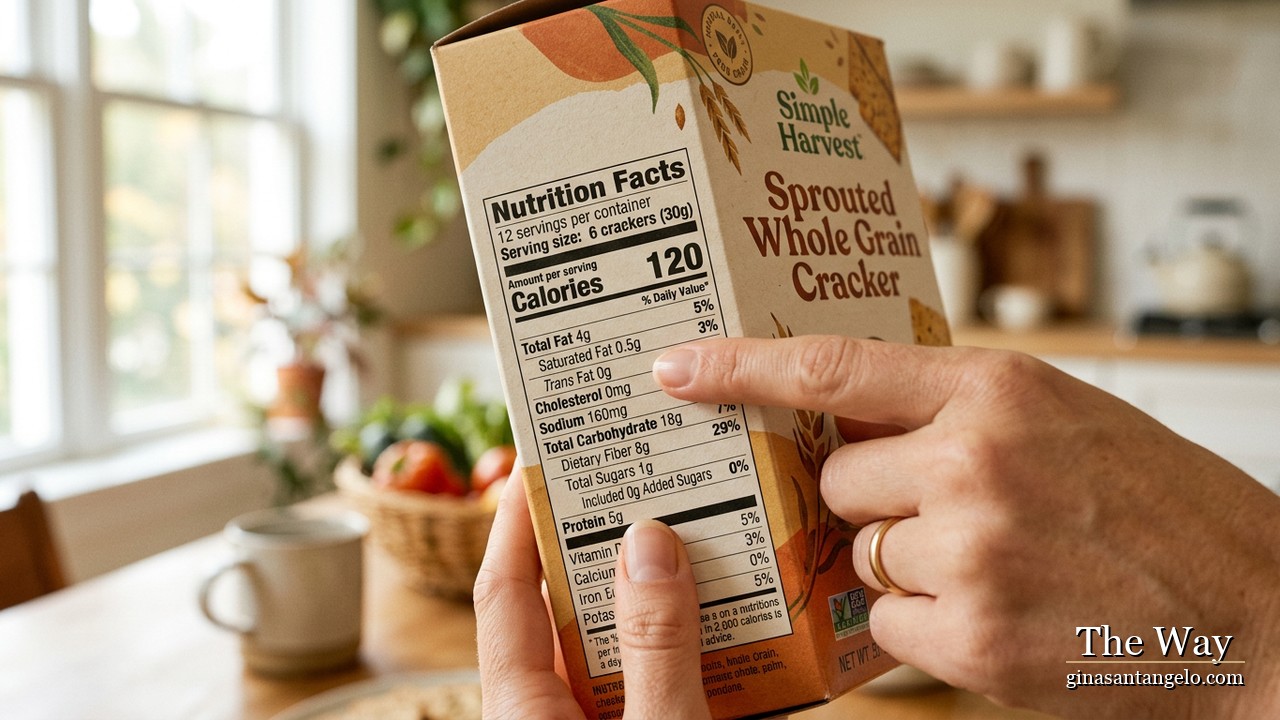
Flip the package over. The Nutrition Facts panel and the ingredient list tell you far more than the cheerful claims on the front.
The front of the box is an ad
Everything on the front, ‘healthy,’ ‘natural,’ ‘lightly sweetened,’ ‘made with whole grain’, is marketing. The truth is always on the back. Flip it over first.
The (new) Nutrition Facts panel
The panel was redesigned in 2020, so it's worth a fresh look: bigger, bolder calories, more realistic serving sizes, and, the best addition, a separate ‘Added Sugars’ line. That one line is gold: it separates the sugar nature put there from the sugar a factory did.
Read the ingredient list like a detective
Ingredients are listed by weight, most first, so if sugar (under any of its names) sits near the top, that tells you plenty. Two things to scan for: hidden sugars (anything ending in ‘-ose,’ syrups, cane juice) and the word ‘hydrogenated’, that's trans fat, whatever the front of the box claims.
The buzzwords, decoded
‘0g trans fat’ is allowed with up to half a gram per serving, so check the ingredients for ‘hydrogenated.’ ‘Multigrain’ and ‘made with whole grain’ can still be mostly white flour, look for ‘100% whole grain.’ ‘Healthy’ and ‘lightly sweetened’ are loosely regulated at best.
A good rule of thumb: the fewer the ingredients, and the more of them you recognize as actual food, the better. If the list reads like a chemistry set, put it back.