
Organic vs Conventional
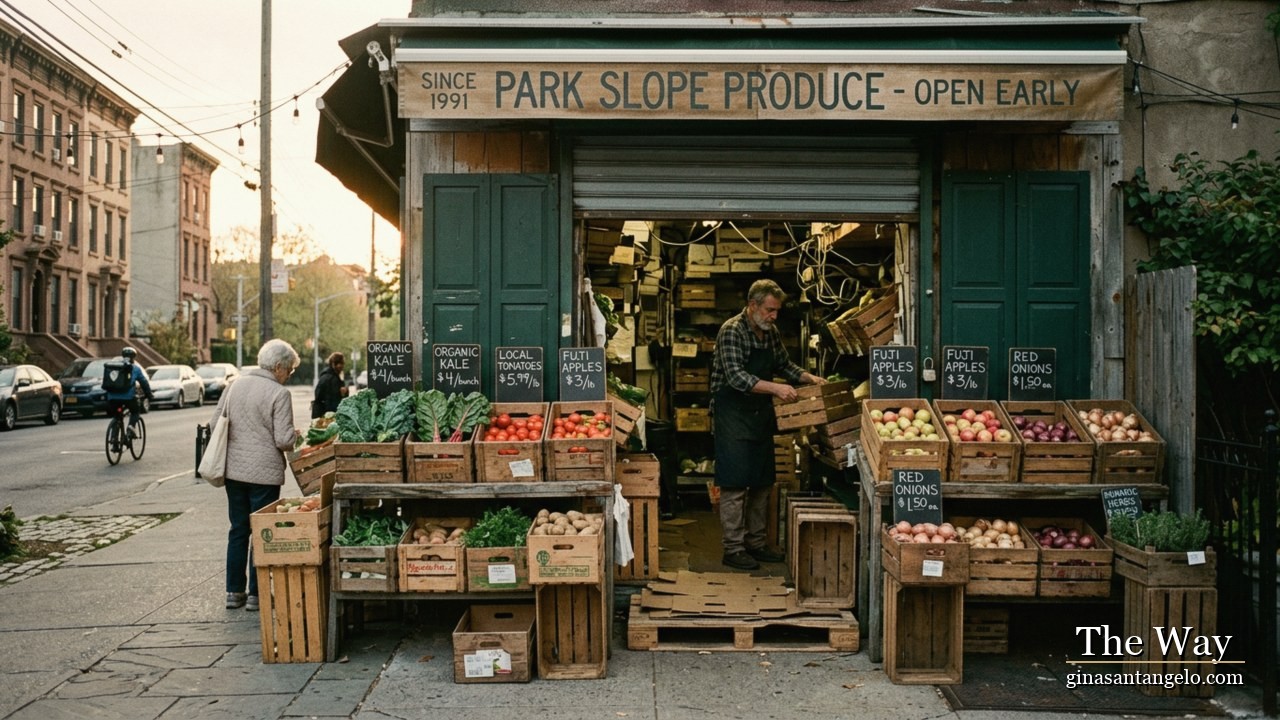
You don't have to buy everything organic. Spend where it counts, the thin-skinned produce that holds the most residue, and relax on the rest.
The idea in one breath
Organic farming skips synthetic pesticides and fertilizers; conventional farming uses them. But buying all-organic isn't always practical or affordable, and eating a conventional vegetable is far better than eating no vegetable at all.
Spend where it counts
Some produce carries much more pesticide residue than others, usually the thin-skinned ones (berries, greens, apples) more than the thick-skinned (avocado, pineapple, onions). The Environmental Working Group publishes a yearly EWG's Dirty Dozen (buy organic when you can) and a Clean Fifteen (fine to buy conventional). It updates each year, so I keep the current one bookmarked rather than memorizing a list.
Read the little sticker
Those produce stickers (PLU codes) tell you something: a 4-digit code starting with 3 or 4 means conventionally grown; a 5-digit code starting with 9 means organic. A quick tell right there in the aisle.
Trust the right seal
USDA Organic is the mark that actually means something. Vague label words like ‘pesticide-free’ and ‘spray-free’ aren't regulated, so they can't really be trusted.
Don't let ‘all organic or nothing’ stop you. A conventional vegetable, well washed, beats skipping vegetables because the organic one cost too much.