
Keeping a Clean, Salmonella-Safe Kitchen
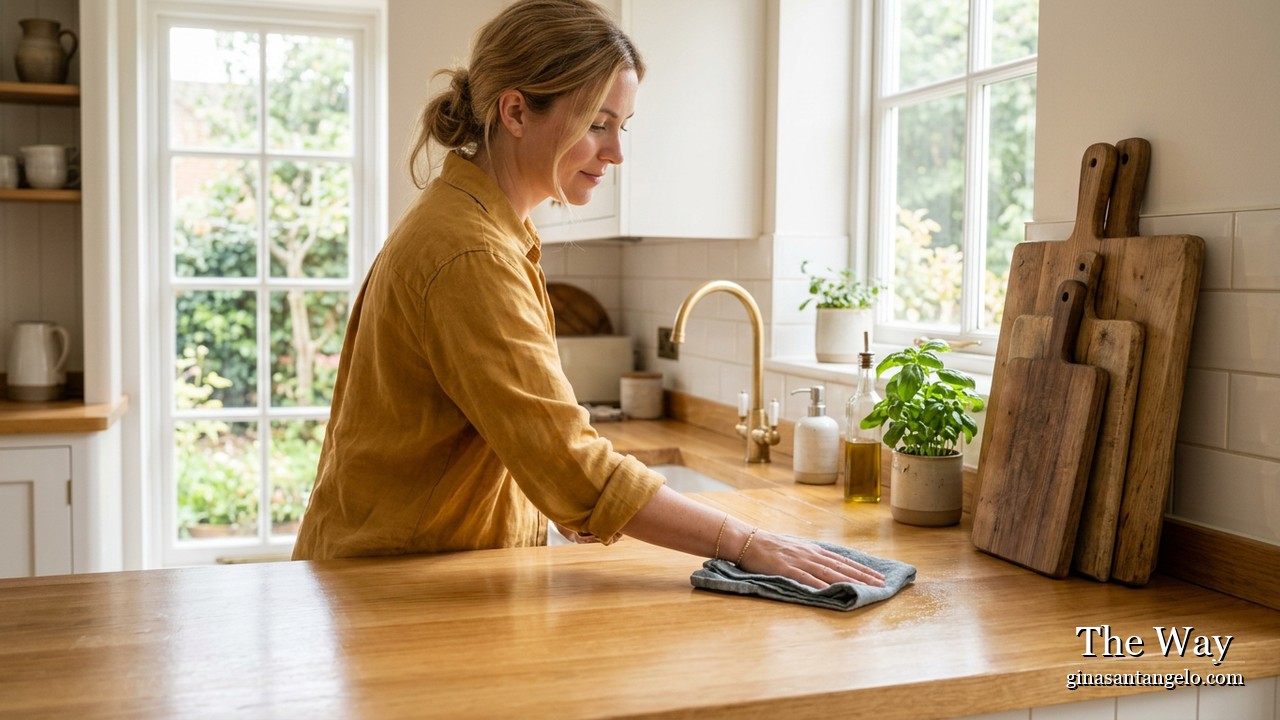
A clean kitchen is your best defense against salmonella and the other foodborne bugs, and it really comes down to a handful of simple habits, mostly about keeping raw meat and its juices to themselves. Do these on quiet autopilot and you rarely have to think about it again.
It’s really one idea: cross-contamination
Nearly every kitchen safety rule is guarding against a single thing, the juices from raw meat, poultry, or seafood touching something that will not be cooked: a salad, a cutting board, your hands, the counter. Cook the meat and the heat kills what is in it. The danger is what those juices touch on the way there.
Give raw meat its own board
This is a firm rule in my kitchen: no raw meat or chicken on a wooden board. Wood is porous and genuinely hard to sanitize. Keep a separate, non-porous board, one that goes through the dishwasher, for raw meat and poultry, and save your beautiful wooden boards for bread, cheese, and produce. One board for the raw, another for everything else.
Don’t wash the chicken
This one surprises everyone. The USDA is clear: do not rinse raw poultry. Washing does not remove bacteria, it sprays chicken juices around your sink and counters. In one USDA study, one in seven people who cleaned the sink afterward still had germs left in it. Pat the chicken dry with a paper towel and cook it; the heat does the cleaning.
Cook to a real temperature
A ten-dollar instant-read thermometer is the most useful safety tool you can own. The USDA’s safe internal temperatures: poultry 165°F, ground meats 160°F, whole cuts of beef, pork and lamb 145°F with a short rest, and fish 145°F. Color is not reliable, a number is.
Wash hands and surfaces, warm and often
Twenty seconds of hot, soapy water, before and after you handle raw meat, and wash every board, knife, and stretch of counter it touched. This one habit does more than all the others combined. (The CDC puts clean hands and separate surfaces at the very top of preventing food poisoning.)
Store it so it can’t drip
Keep raw meat sealed and on the bottom shelf of the fridge, so nothing can drip onto the food below. Thaw in the refrigerator, never on the counter, room temperature is exactly where bacteria multiply. And the two-hour rule: do not leave cooked food sitting out more than two hours (one on a hot day). Into the fridge it goes.
The germiest thing in your kitchen
It is the sponge. It stays damp and feeds bacteria beautifully. Replace it often, run it through the dishwasher or microwave it while wet, and hot-wash your kitchen towels regularly. A clean cloth is quietly one of the most important tools you have.
None of this is about fear, it becomes automatic within a week, and then you cook for the people you love without a second thought. Clean hands, a hot pan, a thermometer, and raw meat kept to itself. That is the whole thing: steady, sensible habits over time, never fear and never perfection.