
Why I Don’t Eat Raw Fish or Meat
This is a personal one. I don’t eat raw fish, raw shellfish, or raw meat, and I don’t serve them to the people I love. Years ago an infectious-disease doctor explained why, and it has stayed with me ever since, so here is how I think about it, calmly rather than fearfully.
What my doctor told me
Years ago I sat with my own doctor, Dr. Kevin Cahill, a legend of New York infectious disease and tropical medicine, who ran the tropical disease center at Lenox Hill and cared for patients in sixty-five countries over his career, and he advised me against eating raw fish and raw meat. His point was simple: raw fish and meat can carry things, bacteria, and sometimes parasites, that our bodies are not well equipped to deal with on their own. Cooking is what handles them. That conversation quietly changed how I eat, and I have never looked back.
His point, as I remember it, was this: people from different parts of the world carry different defenses in their digestive tract, built up over generations of exposure to the foods and organisms around them, and someone without that particular background is far more vulnerable to a parasite or infection from raw food. Especially, he said, anyone who already has a history of stomach trouble; a system that is struggling to begin with is the one that gets caught. His waiting room was forever full, and an appointment with him was hard to come by, he had seen this, many times over, in patients from all over the world. I took him at his word, and I still do.
Cooking is what makes it safe
Heat is the quiet hero here. Cooking fish, poultry, and meat to the right temperature is what neutralizes what can live in them. Freezing helps with some things, but it is not a guarantee, and it is not something I want to gamble on in my own kitchen. A beautifully cooked piece of fish is every bit as delicious, and I never have to wonder.
What the research actually says
You do not have to take my word for it, the public-health agencies are unusually blunt about this.
Raw oysters and clams. The CDC warns that raw shellfish can carry Vibrio bacteria and hepatitis A, because oysters and clams filter their water and concentrate whatever is in it. Only thorough cooking destroys it.
The “drink on top of it” myth. A lot of people believe a shot of liquor, a splash of hot sauce, or a squeeze of lemon makes raw oysters safe. The CDC says plainly that none of that kills the bacteria, only heat does. So raw shellfish and a cocktail is not protection; it is two gambles at once.
Raw fish. The FDA notes that raw fish can carry parasites such as Anisakis; cooking to 145°F (or the deep commercial freezing sushi bars are required to do) is what kills them, salting and marinating do not.
Raw and undercooked meat. Can carry salmonella, E. coli and other bacteria; cooking to a safe internal temperature is the reliable defense the USDA points to. Heat is the common thread through every one of these.
“But the Japanese eat it”
It is the first thing people say, and there is a real and fascinating piece of science underneath it. Researchers have found that many Japanese people’s gut bacteria long ago borrowed an enzyme, from bacteria living on the raw nori seaweed they have eaten for centuries, that helps them digest it. It shows up in Japanese guts and not in American ones. So diet really can shape what a body handles well, over generations. My own doctor said as much.
But here is the part that matters: that gift helps them digest the seaweed. It does nothing about the bacteria and parasites in the raw fish. On that, no one is immune, Japan actually has among the highest rates of the raw-fish parasite in the world, precisely because they eat so much of it. What protects a good plate of sushi there is not biology; it is extraordinarily fresh fish, deep freezing, and decades of a chef’s skill. Take those away, and the risk is the same for anyone.
I am especially careful for tender systems
I think about this most for anyone whose system is already working hard, a sensitive stomach, a run-down immune system, the very young, the pregnant, and those of us getting older. If your digestion already gives you trouble, raw fish and meat ask a great deal of it. To me it simply is not worth the risk, for myself or for my family.
A quiet no, not a fearful one
I want to be clear that this is not about living in fear of food, it is the opposite. I love food, and I love it cooked: warm, fragrant, and shared. Skipping the raw versions costs me nothing and gives me peace of mind. That trade has been an easy one every single time.
What I do instead
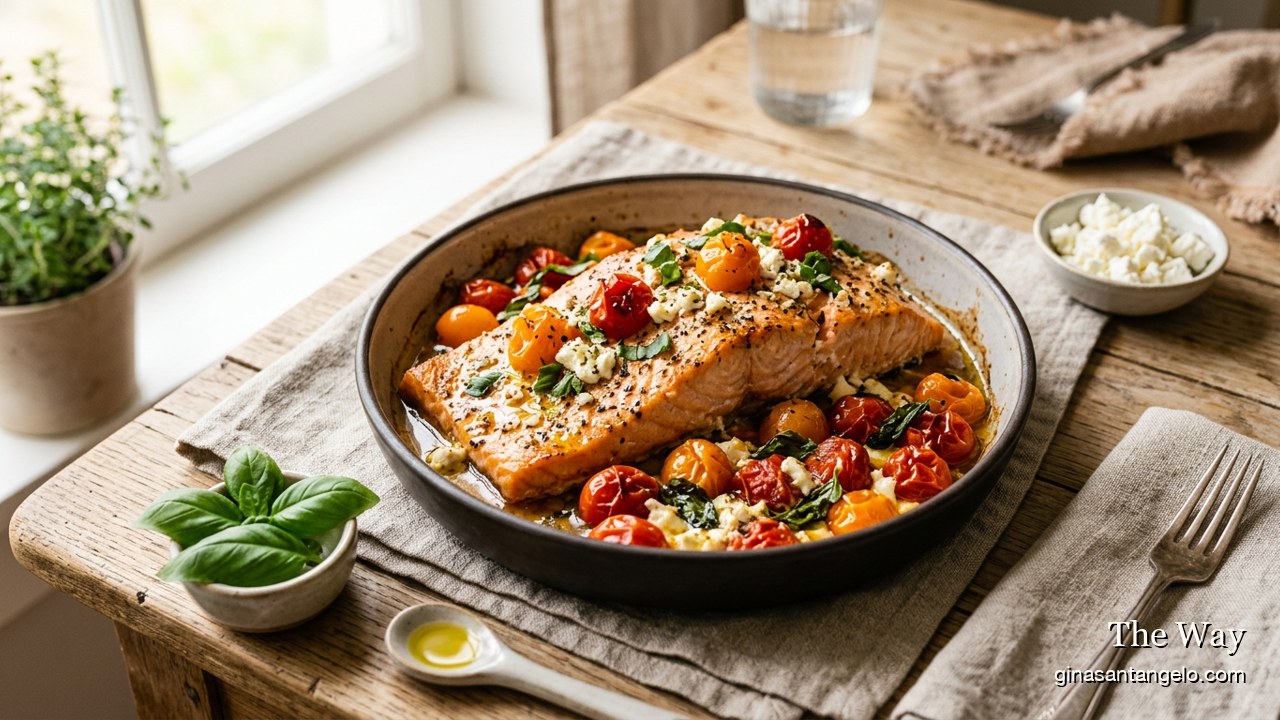
Baked or grilled salmon instead of sashimi. Cooked shrimp, seared scallops, a proper roast. A little smoked salmon now and then. When I put out a seafood board, everything on it is cooked or smoked, and you lose nothing, because the flavor is all still there.
And raw oysters and clams, that is a firm no in my house. Raw shellfish is among the riskier things a person can eat; oysters and clams filter everything in the water they grow in, so they can carry hepatitis A and other unpleasant bugs. I love them cooked, baked, grilled, steamed, or in a good stew, but never raw on the half shell.
This is my choice, and I share it only because I am often asked why. You get to make your own, I just want you making it informed. Cook your fish and your meat well, feed the people you love, and enjoy every bite without a second thought. That is health the way I see it: steady, sensible habits over time, never fear and never perfection.