
Food Dyes
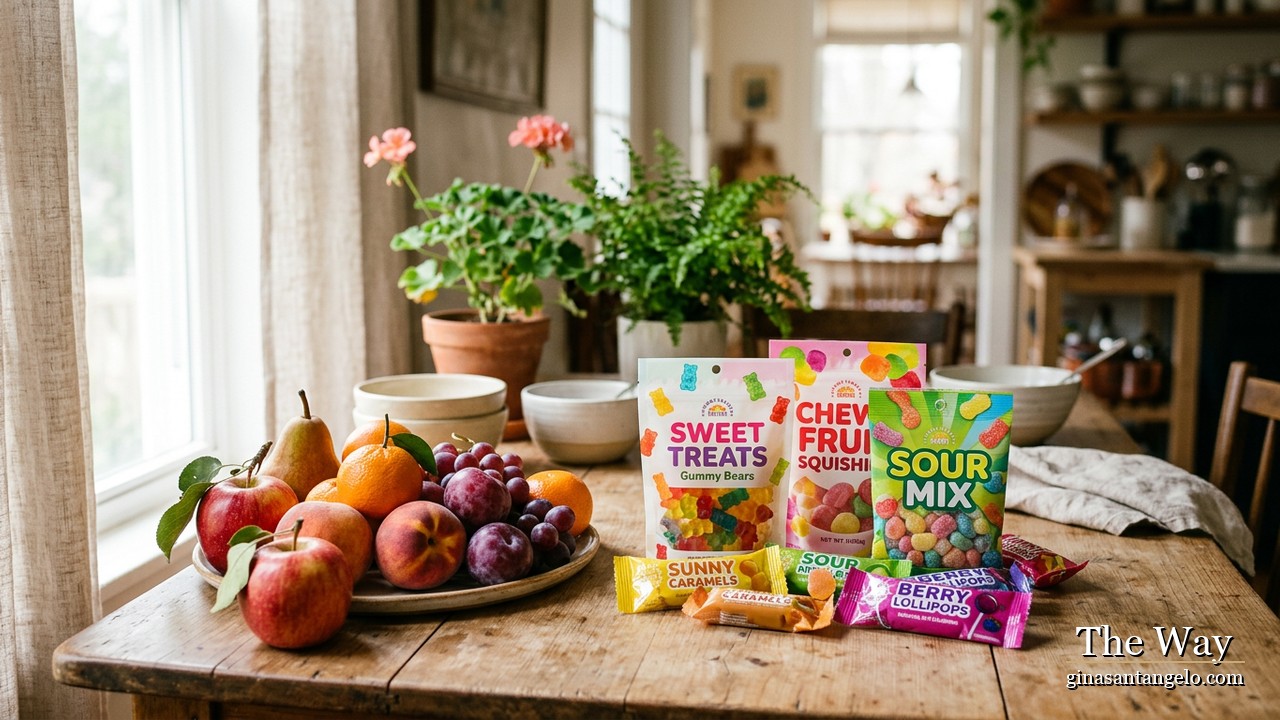
Synthetic dyes exist for one reason: to make food look brighter. They add nothing you need. The good news is that the tide has turned, the FDA revoked Red 3 in 2025 and is phasing out six more petroleum-based dyes toward 2026–27. For now they're still around, so it's worth reading the label, especially on foods for children.
What food dyes are, and aren't
Artificial dyes, the ones listed as ‘Red 40,’ ‘Yellow 5,’ ‘Blue 1’ and the like, are petroleum-derived colors added purely to make food look more vivid. They're cheaper, more stable, and more dramatic than natural color, and they're especially common in foods aimed at children: cereals, candy, sports drinks, snacks. They serve the product, not you.
The tide is turning
For years these same dyes carried warning labels in Europe while going unlabeled here. That's changing. In January 2025 the FDA revoked its authorization of Red Dye No. 3 (with a reformulation deadline in 2027), and in April 2025 it announced a phase-out of six more, Red 40, Yellow 5, Yellow 6, Blue 1, Blue 2 and Green 3, targeted for the end of 2026. It's largely a voluntary agreement with manufacturers rather than an outright ban, so they haven't vanished yet, but the direction is finally clear.
What to do in the meantime
Read the ingredient list: a color followed by a number is a synthetic dye. Choose products colored the honest way instead, with real foods like beet juice, turmeric, annatto, spirulina and beta-carotene. It matters most for children, who eat the most brightly-colored foods and are the most sensitive to them.
A simple rule at the shelf: if the color looks unnaturally neon, check the label. Real food rarely comes in fluorescent shades.