
The Dirty Dozen & Clean Fifteen
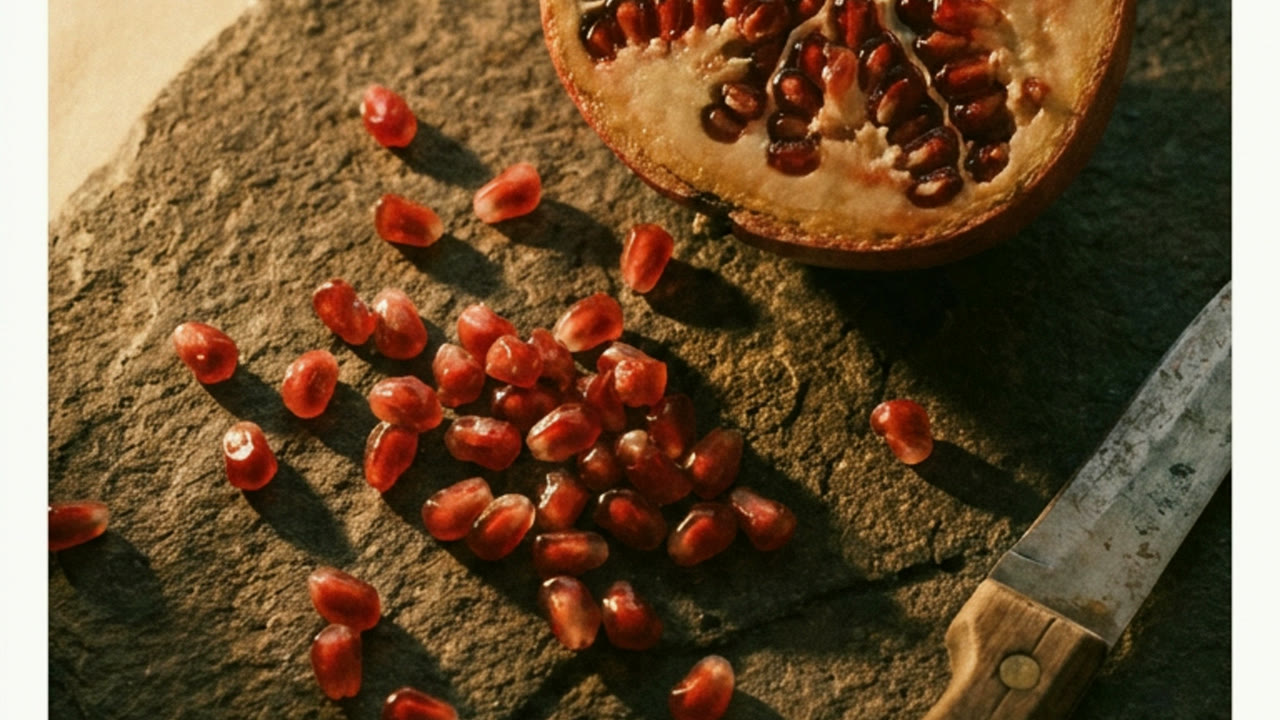
You don't need to buy everything organic. Each year the Environmental Working Group ranks produce by pesticide residue: buy the Dirty Dozen organic when you can, and the Clean Fifteen are fine conventional. That is where your money does the most good, and eating produce, any produce, still beats not eating it.
The Dirty Dozen, 2025
The most pesticide-laden produce this year; more than 95% of samples tested positive. If you buy organic anywhere, buy it here.
- Spinach
- Strawberries
- Kale, collard & mustard greens
- Grapes
- Peaches
- Cherries
- Nectarines
- Pears
- Apples
- Blackberries
- Blueberries
- Potatoes
The Clean Fifteen, 2025
The lowest residue of the bunch, nearly 60% had no detectable pesticides at all. Conventional is perfectly fine; save your organic budget for the list above.
- Pineapple
- Sweet corn
- Avocados
- Papaya
- Onions
- Sweet peas (frozen)
- Asparagus
- Cabbage
- Watermelon
- Cauliflower
- Bananas
- Mangoes
- Carrots
- Mushrooms
- Kiwi
How the list is made
The EWG builds it each year from U.S. Department of Agriculture testing of tens of thousands of produce samples. The 2025 edition uses an updated method that weighs not only how many pesticides are found, but how toxic they are. Because it is refreshed annually, it is worth a quick re-check each spring.
A word on glyphosate (Roundup)
Glyphosate is the world's most widely used weed-killer, and it turns up on many conventional crops, especially oats, wheat and legumes. The science is genuinely contested: in 2015 the World Health Organization's cancer agency classified it as probably carcinogenic to humans, and newer animal studies have deepened the concern, while some regulators have found no clear cancer hazard. Tellingly, one of the most-cited ‘safe’ studies was retracted in 2025 over undisclosed industry ties. The honest summary: the jury is still out, but the evidence is concerning enough that reducing your exposure, by choosing organic for the crops it is sprayed on most, is a sensible, low-regret choice.
Keep the Dirty Dozen in mind at the store and buy those organic when the option and the budget are there. A good rinse helps with surface residue, but it cannot remove what a plant has taken up inside, which is exactly why the list matters more than the wash.