
Small Kitchen Swaps That Make a Difference
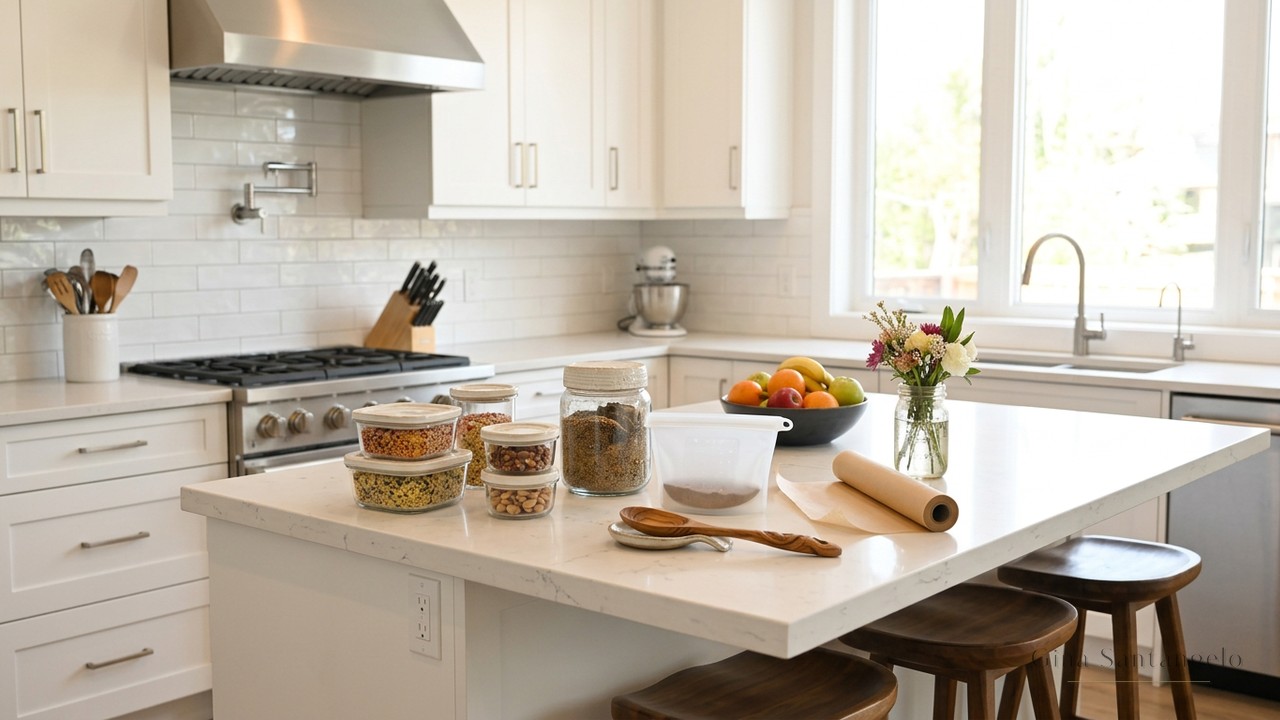
None of these are rules. I don't try to eliminate every possible exposure, I just ask, “Is there an easy alternative?” If the answer is yes, I usually make the switch. Small choices, repeated, become second nature.
People often ask why you never see aluminum foil in my recipes. It's not because I think using it once in a while will ruin your health. It's that I believe in reducing unnecessary exposures where it's easy to do, and if I have a choice, I simply reach for something else.
Instead of aluminum foil
Aluminum is naturally present in our environment and our food. Small amounts can transfer from foil into what you're cooking, more so with acidic foods like tomatoes, citrus, or vinegar, and at high heat. For most people, occasional use isn't considered a major concern by food-safety authorities. I simply prefer not to add another source when there are easy alternatives: parchment paper, glass and ceramic baking dishes, stainless steel sheet pans, cast iron, and silicone mats where they fit.
Store food in glass
I keep leftovers in glass and non-toxic ceramic, my storage is Caraway, borosilicate glass with a BPA-free ceramic coating, so I can see everything and trust it's clean. For freezing soups, marinating proteins, and packing snacks, I reach for reusable silicone bags; they've become one of the swaps that stuck, and they cut down on single-use plastic too.
Retire scratched non-stick
Once a non-stick coating is scratched, I replace the pan. Day to day I lean on stainless steel and cast iron, nothing to wear off, and cast iron even adds a little iron to the food.
Wooden utensils
Wooden spoons are gentle on my pans, warm in the hand, and last for years. A small thing that just feels right.
A few more, quietly
A handful of smaller ones that have simply become habit: a wood or bamboo cutting board instead of plastic; beeswax wraps in place of cling film; a glass or stainless water bottle I refill all day; cloth kitchen towels instead of paper; my olive oil in dark glass, kept away from heat and light so it stays fresh; and whole spices I grind as I go.
And the everyday basics, a water filter for drinking and cooking, unscented dish soap so I'm not adding fragrance I don't need, and real herbs instead of flavor packets. None of it is about doing everything perfectly, just choosing the simpler option when it's right there.
I don't spend my life worrying about any one thing. I just don't reach for it anymore, the same way I choose olive oil over processed oils, or glass over plastic when I can. No material is perfect, and every choice has trade-offs. Healthy living isn't built on one perfect choice; it's built on hundreds of small ones that become second nature.