
Why Losing Muscle Is One of the Biggest Dangers to Women’s Health
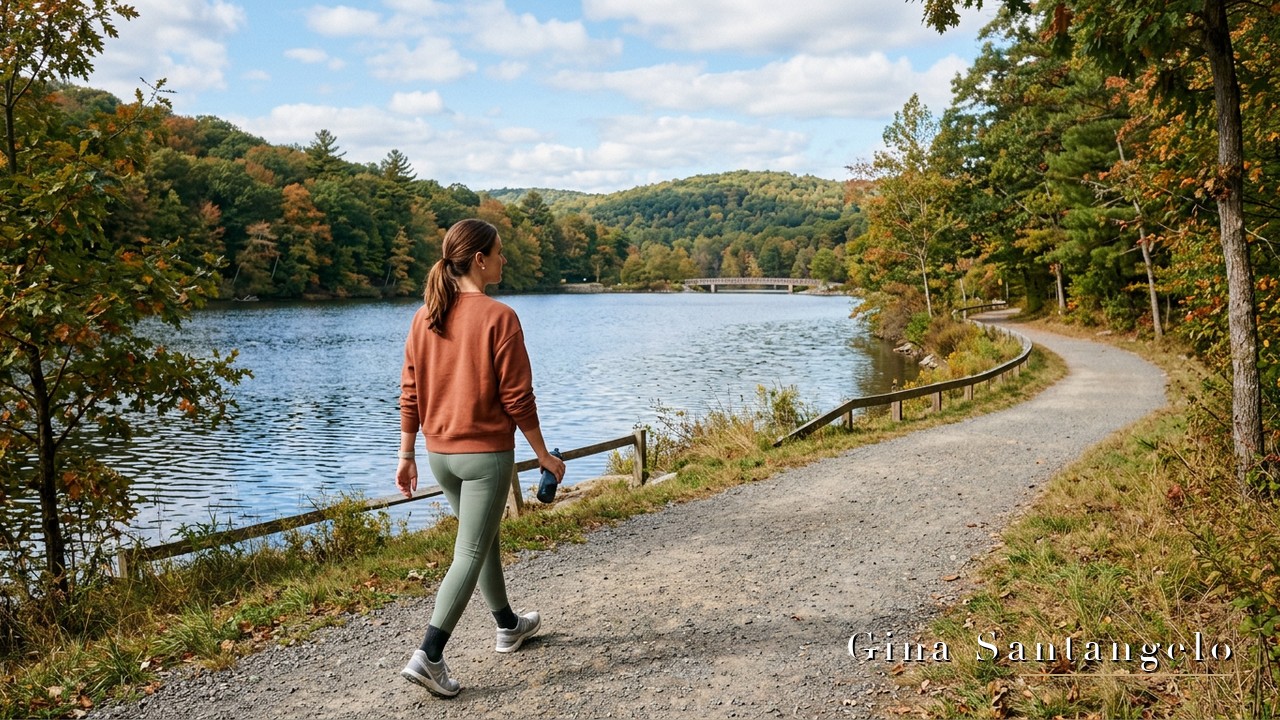
Women lose about 1% of muscle mass a year from around age 30, a decline that quietly erodes strength, balance, and bone health, but one you can rebuild at any age.
The muscle decline we can’t ignore
Aging brings wisdom and experience, but it also brings changes to our bodies that we can’t afford to overlook. One of the biggest? Muscle loss. Starting around age 30, women lose about 1% of muscle mass per year unless they actively work to maintain it. That may not sound like much, but over 10 years that’s a 10% loss, and by the time we reach our 70s, we can be down 40% or more.
This loss impacts everything, strength, metabolism, bone health, and balance. And here’s the scary part: most women don’t even realize it’s happening until they experience a fall, a fracture, or major mobility issues.
Why this matters: the real reason falls are so dangerous
We’ve all seen it, a parent, grandparent, or older friend falls, breaks a hip, and struggles to recover. But here’s what many people don’t realize: it’s not just the fall that’s the problem, it’s the years of muscle loss that made them vulnerable in the first place. Without strong legs, a solid core, and good grip strength, recovering from even a minor injury becomes incredibly difficult.
The “skinny-fat” trap
Many women assume that as long as they’re not overweight, they’re in good shape. But if they’re losing muscle and replacing it with fat, they’re actually becoming weaker and more at risk for fractures and chronic disease. This condition, often called being “skinny-fat”, is common among women who don’t strength train. It increases the risk of:
- Slower metabolism and weight gain
- Osteopenia and osteoporosis
- Higher risk of falls and fractures
- Insulin resistance and metabolic disorders
Balance is just as important as strength
Strength alone isn’t enough, we also need balance. If we don’t train for it, we lose it. Simple exercises like single-leg stands, step-ups, and core activation work can make a massive difference in preventing falls and keeping us steady on our feet.
The solution: strength training, Pilates & protein
The good news? We can rebuild muscle at any age. But cardio alone won’t do it. Women need strength training, progressively lifting heavier weights to stimulate muscle growth and maintain bone density. And they need adequate protein, because without enough, the body simply won’t build or repair muscle efficiently.
Pilates is also an incredible tool for rebuilding strength, improving stability, and enhancing balance. But to truly see results, we must progressively challenge ourselves. Just like in strength training, Pilates shouldn’t stay static, exercises need to evolve by increasing intensity, resistance, and complexity. This ensures the core, stabilizer muscles, and postural muscles continue to grow stronger, making everyday movements easier and more controlled.
Take action: know your numbers
If you really want to know where you stand, don’t just step on a scale, get a DEXA scan. It measures muscle mass, fat percentage, and bone density, giving you a clear picture of your health. Too many women assume they’re “fine” until they see their actual numbers.
I work with women to build strength, improve balance, and take control of their long-term health. Whether it’s through progressive Pilates routines or strength-focused training, the goal is always the same, keeping you strong, stable, and resilient for life. It’s never too late to start. Let’s focus on getting stronger together.
When the mind needs somewhere to land
Everything in this wing points, in the end, to the same place, the breath, and the nervous system beneath it. It is why I built SOVA: a quiet companion for the moments in between.
- Today, a daily practice that aligns you before the day pulls you a dozen directions.
- Companion, a place to process any feeling, even the happy ones.
- Pages, a soft place to set your thoughts down and out of your head.
- The House, rooms of calm to step into, whenever you need one.