
What Resistant Starch Actually Does
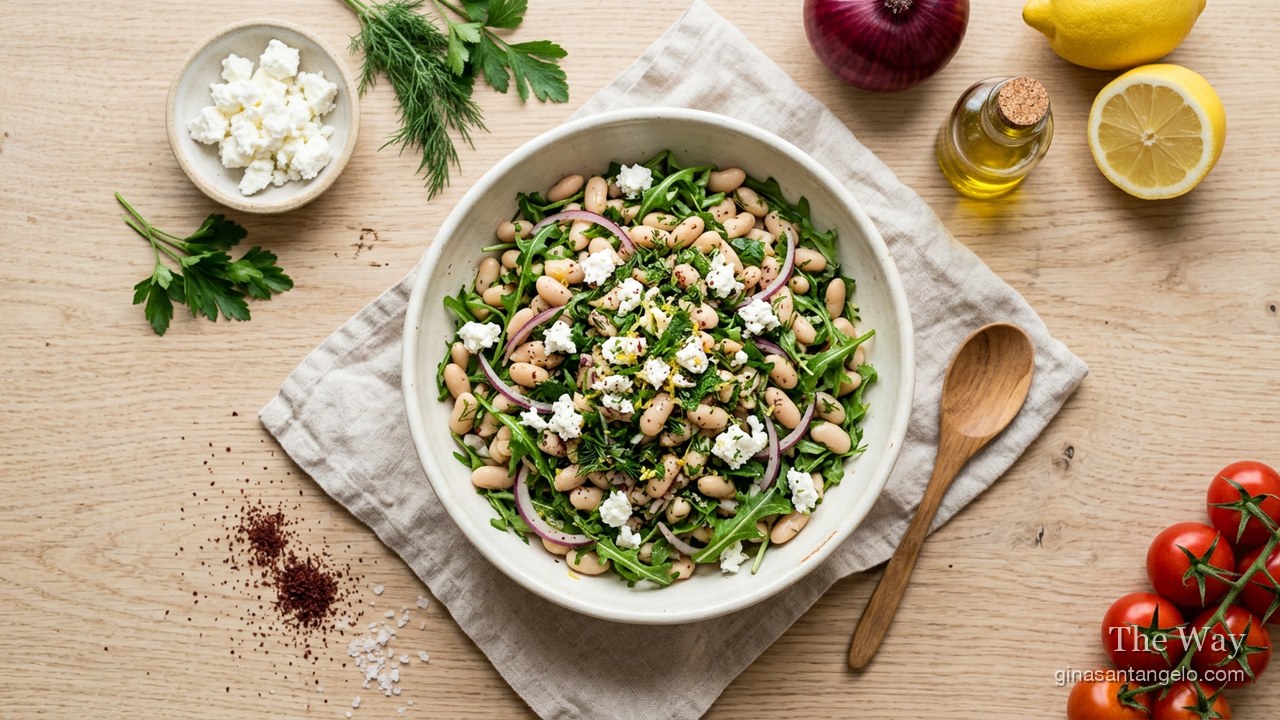
Resistant starch is a carbohydrate that resists digestion and ferments in the gut, feeding good bacteria and supporting digestion, blood sugar, and satiety.
When it comes to healthy eating, carbohydrates often get a bad rap. But not all carbs are created equal. Enter resistant starch, a type of carbohydrate that can offer numerous health benefits, from improved digestion to better blood sugar control. Let’s explore what it is, why it helps, and how to work it into your meals with some delicious examples.
What is resistant starch?
Resistant starch is a type of carbohydrate that “resists” digestion in the small intestine and instead ferments in the large intestine. That fermentation produces beneficial compounds, such as short-chain fatty acids, which promote gut health and offer various metabolic benefits.
Health benefits of resistant starch
- Improved digestive health, it acts as a prebiotic, feeding the good bacteria in your gut and helping maintain a healthy balance of gut flora.
- Enhanced satiety, it can help you feel fuller for longer, which may support weight management by reducing overall calorie intake.
- Better blood sugar control, it has a lower glycemic index than most carbs, so it has minimal impact on blood sugar. This makes it especially helpful for people with insulin resistance or diabetes.
- Increased insulin sensitivity, some studies suggest it can improve insulin sensitivity, which is key for managing blood sugar and reducing the risk of type 2 diabetes.
- Reduced inflammation, its fermentation produces short-chain fatty acids like butyrate, which have anti-inflammatory properties and support immune health.
Foods high in resistant starch
Adding resistant starch to your diet is easier than you might think. Here are some delicious, versatile options:
- Green bananas, unripe, green bananas are a fantastic source. Add them to smoothies or enjoy as a snack.
- Cooked and cooled potatoes, cooking then cooling potatoes triggers retrogradation, which increases resistant starch. Try a potato salad with cooled, cooked potatoes.
- Cooked and cooled rice, like potatoes, rice that has been cooked and cooled holds more resistant starch. Use cooled rice for sushi or a rice salad.
- Legumes, beans, lentils, and chickpeas are naturally high in it. Add them to soups, stews, and salads, or make hummus.
- Oats, rolled and steel-cut oats are great sources. Overnight oats, soaked and eaten cold, are a perfect way to enjoy them.
- Pasta, cooked and cooled pasta, as in pasta salad, contains more resistant starch than freshly cooked pasta.
- Bulgur wheat, minimally processed and lovely in dishes like tabbouleh, it retains much of its nutritional value.
- Farro, an ancient grain high in fiber and protein; cooked and cooled, it becomes a good source. Use it in salads, soups, and sides.
- Barley, rich in fiber and resistant starch, especially when cooked and cooled. Add it to soups, stews, or salads.
- Quinoa, not as high as some grains, but still nutritious for its protein and fiber; cooking and cooling it increases the resistant starch.
Delicious meal ideas
- Breakfast, overnight oats made with rolled oats, Greek yogurt, and fresh berries.
- Lunch, a chickpea salad with fresh vegetables, olive oil, and lemon juice, or a refreshing bulgur tabbouleh.
- Dinner, cooled, cooked rice alongside grilled meat or fish, or a hearty farro salad with roasted vegetables.
- Snacks, green bananas blended into a smoothie with unsweetened almond milk and a scoop of protein powder.
In closing
Resistant starch is a powerful part of a healthy diet, offering benefits from improved gut health to better blood sugar control. By reaching for foods like green bananas, cooled potatoes and rice, legumes, oats, bulgur, farro, barley, and quinoa, you can enjoy those benefits across a variety of delicious meals.
So why not give resistant starch a try? Your gut, and your overall health, will thank you.
When the mind needs somewhere to land
Everything in this wing points, in the end, to the same place, the breath, and the nervous system beneath it. It is why I built SOVA: a quiet companion for the moments in between.
- Today, a daily practice that aligns you before the day pulls you a dozen directions.
- Companion, a place to process any feeling, even the happy ones.
- Pages, a soft place to set your thoughts down and out of your head.
- The House, rooms of calm to step into, whenever you need one.