
Why Fiber Matters More Than You Think
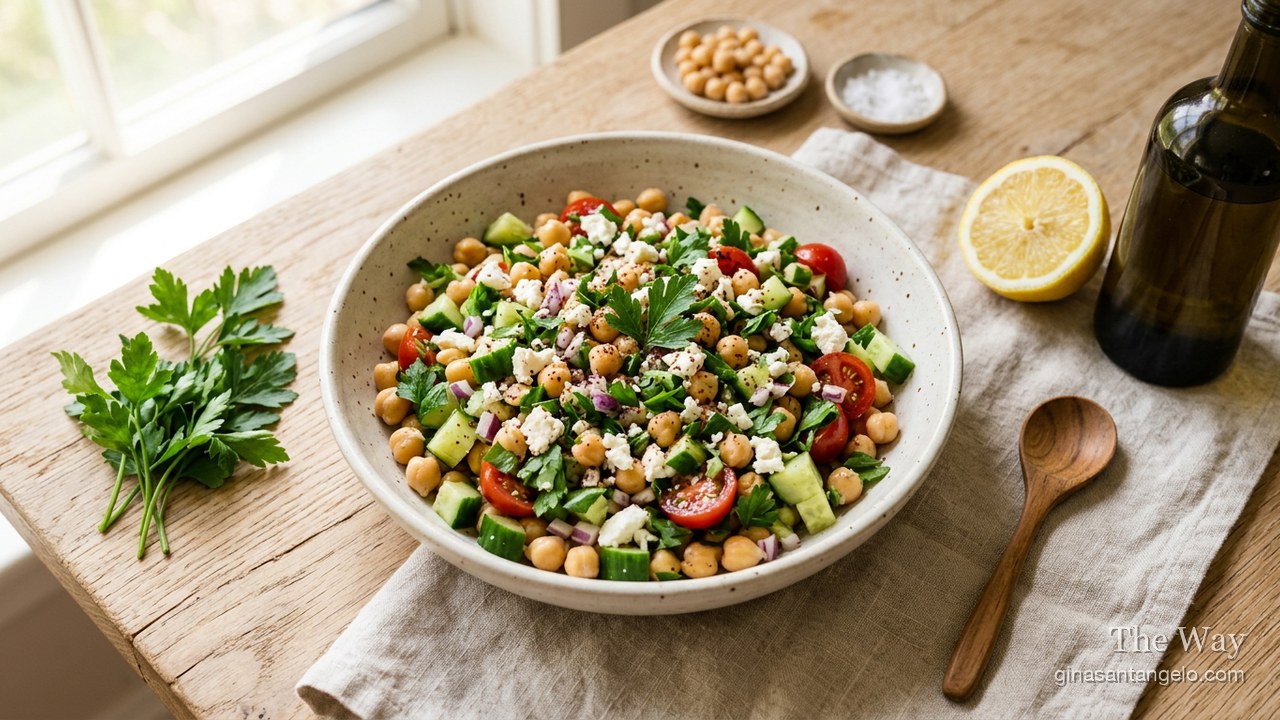
Protein gets the attention, but fiber, 25 to 30 grams a day from whole foods, feeds the gut that lets your body actually absorb and use it.
We talk a lot about protein when it comes to strength, muscle recovery, and staying lean, and rightly so. But to truly support your body from the inside out, fiber is just as essential.
While protein fuels muscle synthesis and helps stabilize blood sugar, fiber supports the environment where nutrients are absorbed, inflammation is calmed, and hormones stay balanced. Think of them as a power duo: protein builds the structure, and fiber maintains the system.
Most women should aim for at least 1 gram of protein per pound of ideal body weight per day, along with 25–30 grams of fiber, ideally from a variety of whole foods. Together they support lean muscle mass, a balanced gut microbiome, and long-term metabolic health.
What makes fiber so powerful is that it comes in two distinct but equally important forms: soluble and insoluble. Soluble fiber dissolves in water and forms a gel in the gut. It feeds beneficial bacteria, slows digestion, and keeps blood sugar steady. You’ll find it in oats, chia seeds, flaxseeds, lentils, apples, and carrots.
Insoluble fiber does not dissolve in water. It adds bulk and helps food move efficiently through the digestive tract, promoting regularity and supporting natural detoxification. Look for it in leafy greens, nuts, seeds, whole grains, and cruciferous vegetables like broccoli and cauliflower.
A balanced intake of both feeds different strains of gut bacteria and helps maintain a healthy, resilient microbiome. And that microbiome does more than regulate digestion, it influences nutrient absorption, hormonal balance, immune response, and even how well you recover from workouts.
If you’re eating well and exercising regularly but not seeing the results you expect, fiber might be the missing piece, a compromised gut can block the very nutrients you need for strength and recovery.
To boost your intake naturally, add fiber-rich whole foods to every meal, always paired with protein for better balance and satiety.
Try these combinations
- Breakfast, chia pudding with berries and flaxseeds, plus eggs or Greek yogurt.
- Lunch, a hearty salad with lentils, avocado, leafy greens, and grilled chicken.
- Dinner, roasted vegetables, quinoa, cruciferous veggies, and wild-caught fish.
- Snacks, raw veggies with hummus and a hard-boiled egg, or turkey roll-ups.
Hydration is key, fiber needs water to do its job. Adding fermented foods like sauerkraut, kimchi, or kefir also supports the good bacteria you’re working to nourish, and limiting processed foods and added sugars keeps harmful bacteria from taking over.
My approach to strength is a holistic one, because wellness doesn’t start and end at your muscles. A healthy gut supports energy, recovery, and long-term vitality. You’re not just what you eat, you’re what you absorb.
So, how are you feeding your microbiome today?
When the mind needs somewhere to land
Everything in this wing points, in the end, to the same place, the breath, and the nervous system beneath it. It is why I built SOVA: a quiet companion for the moments in between.
- Today, a daily practice that aligns you before the day pulls you a dozen directions.
- Companion, a place to process any feeling, even the happy ones.
- Pages, a soft place to set your thoughts down and out of your head.
- The House, rooms of calm to step into, whenever you need one.