
Stretching vs. Strength: What Your Body Actually Needs
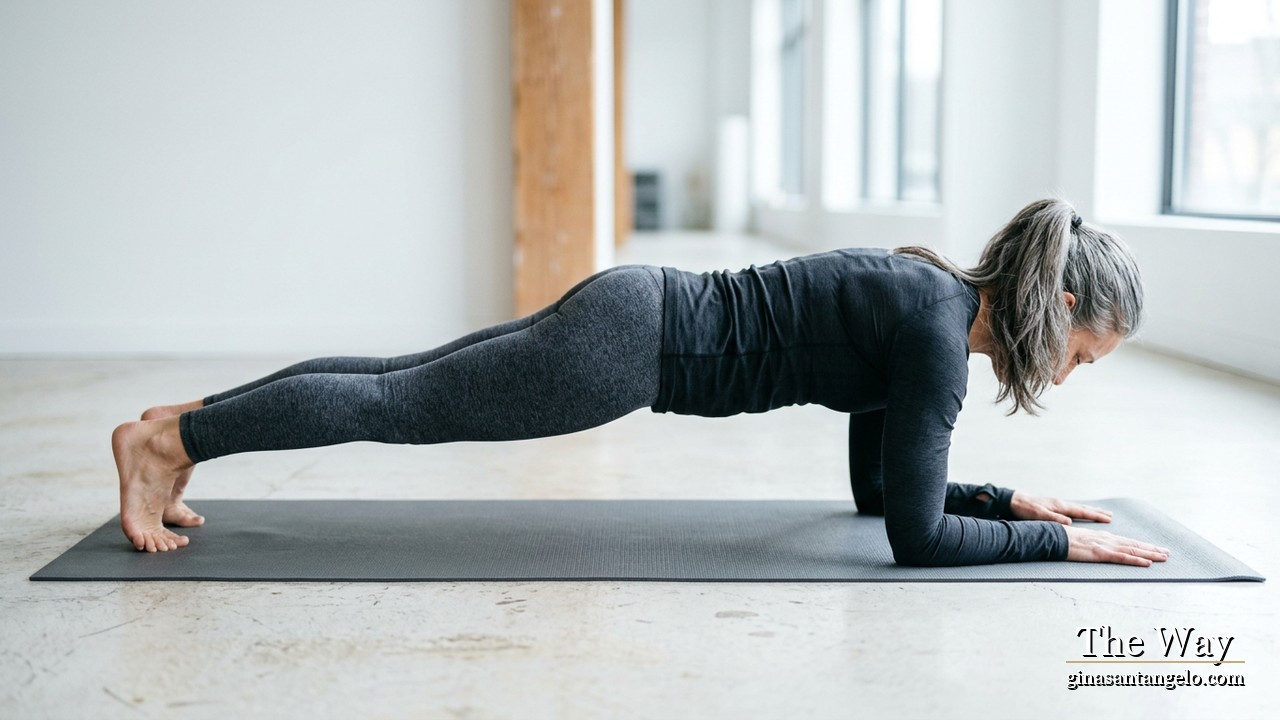
Stretching feels productive and it feels like relief, but it rarely fixes what sent you looking for it. Most of what we call “tightness” is a muscle that is weak or overworked, not short. Here is when to stretch, when to strengthen, and why the second one is usually the answer.
Almost every woman who tells me she is tight has been diligently stretching the very thing that is bothering her, often for years, and it keeps coming back. That is not because she is doing it wrong. It is because stretching was never going to fix it.
Why we reach for stretching
Because it feels good immediately. A stretch gives instant relief, and we take that relief as evidence that the muscle needed lengthening. We have also been taught a simple story, tight means short, short means stretch it, and it is satisfyingly easy to believe.
What stretching actually does
Less than we think, and something different than we think. When you hold a stretch and feel the muscle give, most of what changed is your tolerance to the stretch, your nervous system deciding it is safe to allow more range. That is real and it is useful, but it is temporary, and it is not the muscle permanently lengthening or “releasing.”
What stretching does beautifully is calm you down. A slow, gentle stretch at the end of the day is one of the nicer ways to tell your nervous system the day is over. Keep it for that. Just do not ask it to fix a chronic problem.
The tightness that is really weakness
Here is the part almost nobody is told. A great deal of the tightness women feel is a muscle guarding, not shortening. Hamstrings that feel permanently tight are often protecting a pelvis that is not well supported. Upper shoulders and necks that will not let go are usually working overtime because the deep stabilisers underneath them are weak and not doing their share.
Stretch a muscle that is guarding and you get relief for an hour, because you have briefly overridden the alarm. Then it comes back, because you never gave the body a reason to stop guarding.
What strength does that stretching cannot
A strong muscle does not need to guard. When you build genuine strength through a full range of motion, you give the nervous system what it was actually asking for, capacity, and it stops holding on. This is why women are so often surprised that getting stronger is what finally loosened them.
Strength also loads the tissue, which is what keeps a joint healthy and mobile over decades. Passive stretching does not load anything. Mobility that lasts is strength taken through range, not range taken without strength.
So should you stop stretching?
No. Use it well. A little dynamic movement before you train warms and prepares. A gentle stretch in the evening downshifts you. And genuinely short tissue, hip flexors after a day at a desk, does benefit from lengthening. Just pair it with the strength that holds the change in place.
The honest priority
If you have twenty minutes and you are choosing, strength through a full range will do more for how your body feels and holds up than the same twenty minutes of static stretching, for almost every woman over forty.
This is exactly what Pilates does when it is taught well: strength and length in the same movement, control through the whole range rather than at the ends of it. If you would like the strength half built deliberately, Strength for Life is where I would start you.