
Olive Oil Around the World
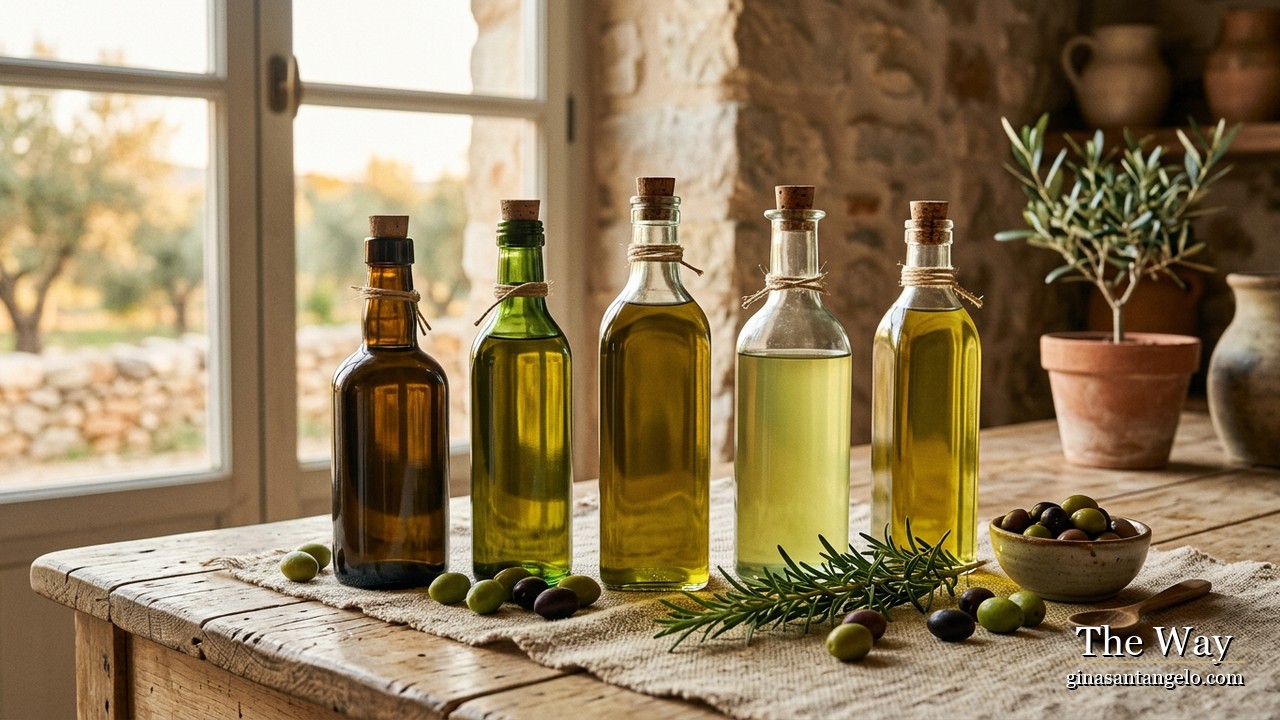
Great olive oil is grown all over the Mediterranean and beyond, and every region has its own character. Spain gives you the bold workhorses, Italy the peppery classics, Greece some of the most antioxidant-rich oils in the world, and none is truly ‘best.’ The best one is the fresh bottle whose taste you love.
Spain, the world’s workhorse
Spain is the largest producer on earth, and the heart of it is Andalusia. Its signature olive, Picual, makes a robust, remarkably stable oil, fruity, with a real bitterness and peppery kick. Arbequina is the gentler cousin: mild, buttery, and easy to love. Between them, Spain covers everyday cooking beautifully and usually at a friendly price.
Italy, bold and peppery
Italy is famous for green, peppery, intense oils, and it changes region to region. Tuscany leans bold and grassy (classic Frantoio and Leccino blends); Puglia, in the south, produces much of the country’s volume; and Coratina is one of the most robust, high-antioxidant olives anywhere. If you love that throat-catching pepper, Italian oil is often where it lives.
Greece, small olives, big antioxidants
Greece’s star is Koroneiki, a tiny olive grown across Crete and the Peloponnese that yields a vivid green, intensely grassy, peppery oil among the highest in polyphenols in the world. It’s no accident Greeks use more olive oil per person than almost anyone. If antioxidants matter to you, a fresh Greek Koroneiki is hard to beat.
The New World
Wonderful oil now comes from California (held to strict freshness standards), along with Portugal, Tunisia, Turkey, Morocco, Australia and Chile. One quiet perk: southern-hemisphere harvests happen opposite ours, so an Australian or Chilean oil can be the freshest bottle on the shelf during our winter and spring.
So which is best?
None of them. Terroir, soil, climate, and when the olives are picked, shapes flavor more than the country on the label; the same olive tastes different grown in two places. A mild Arbequina and a fiery Koroneiki are both ‘right,’ for different plates and palates. Buy fresh, buy single-origin when you can, and taste.
Match the oil to the plate, a mild, buttery oil for delicate dishes and baking, and a bold, peppery one to finish soups, greens, and grilled vegetables where you’ll actually taste it.