
Bone Health After 40
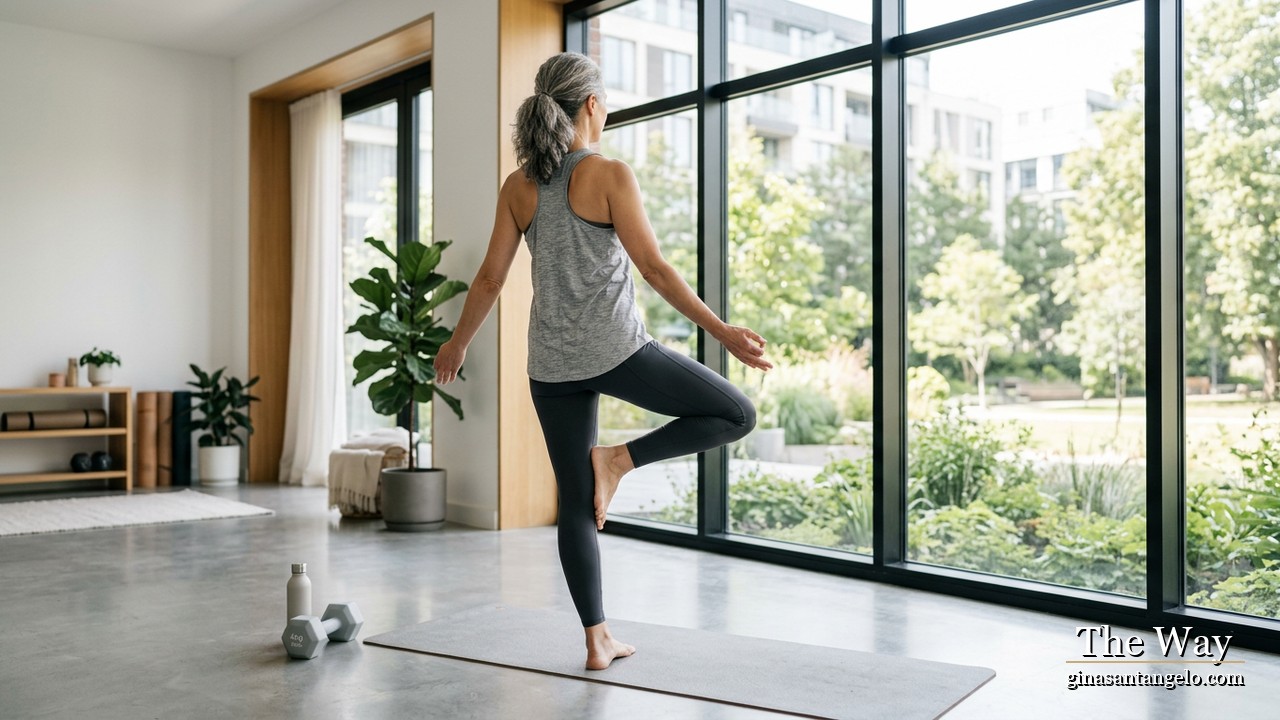
When we’re younger we don’t think much about our bones, they’re simply there, holding us up. But after 40, and especially after menopause, we naturally begin to lose density, and it’s worth paying attention. The good news: strong bones aren’t built with one supplement or one food. They’re supported by the small choices we make every day. Here are the five I focus on.
1. Eat calcium-rich foods
Calcium is one of the building blocks of healthy bones, and dairy is far from the only source. Rather than trying to get it all from one meal, I include a variety through the week.
- Kale
- Bok choy
- Broccoli
- White beans
- Chickpeas
- Greek yogurt
- Parmesan
- Tahini
- Almonds
- Chia seeds
- Sardines
- Canned salmon with the soft bones
More on this in High-Calcium Foods That Aren’t Just Dairy.
2. Don’t forget vitamin D
You can eat plenty of calcium, but without enough vitamin D your body can’t absorb it efficiently. Many of us, especially in northern climates or spending most of the day indoors, don’t get enough.
- Safe sun exposure
- Fatty fish like salmon
- Egg yolks
- Fortified foods
- A supplement, if your provider recommends one
3. Fill your plate with leafy greens
Greens offer more than calcium, many are rich in vitamin K, which supports healthy bone formation. One salad won’t change your bones, but greens eaten regularly, over years, absolutely add up.
- Kale
- Spinach
- Collard greens
- Swiss chard
- Arugula
- Broccoli
4. Eat enough protein
Bones aren’t made of minerals alone. Protein forms the structure the minerals attach to, and as we age it becomes even more important, for muscle, balance and overall strength as much as for bone.
- Fish
- Chicken
- Eggs
- Greek yogurt
- Cottage cheese
- Beans
- Lentils
- Tofu
- Nuts and seeds
5. Keep your bones busy
Bones respond to stress, when we challenge them through movement, they get the signal to stay strong. The goal isn’t to work harder, only to keep moving consistently. Strong muscles protect your bones, too, by improving balance and reducing the risk of falls.
- Walking
- Strength training
- Pilates
- Hiking
- Dancing
- Climbing stairs
- Tennis or pickleball
The bigger picture
Bone health isn’t about chasing one nutrient. It’s about creating an environment where your bones have what they need, nourishing food, regular movement, enough protein, plenty of greens, and vitamin D where it should be. Small habits really do matter.
I don’t worry about hitting the perfect amount of calcium every single day. Instead I build meals around foods that naturally support my body. A handful of almonds. A salad full of greens. White beans in a soup. Greek yogurt for breakfast. A walk after dinner. A Pilates session. None of these seem remarkable on their own, but together they create a way of living that supports strong bones, not just today, but for years to come.