
Organic vs. Conventional: Does It Really Matter?
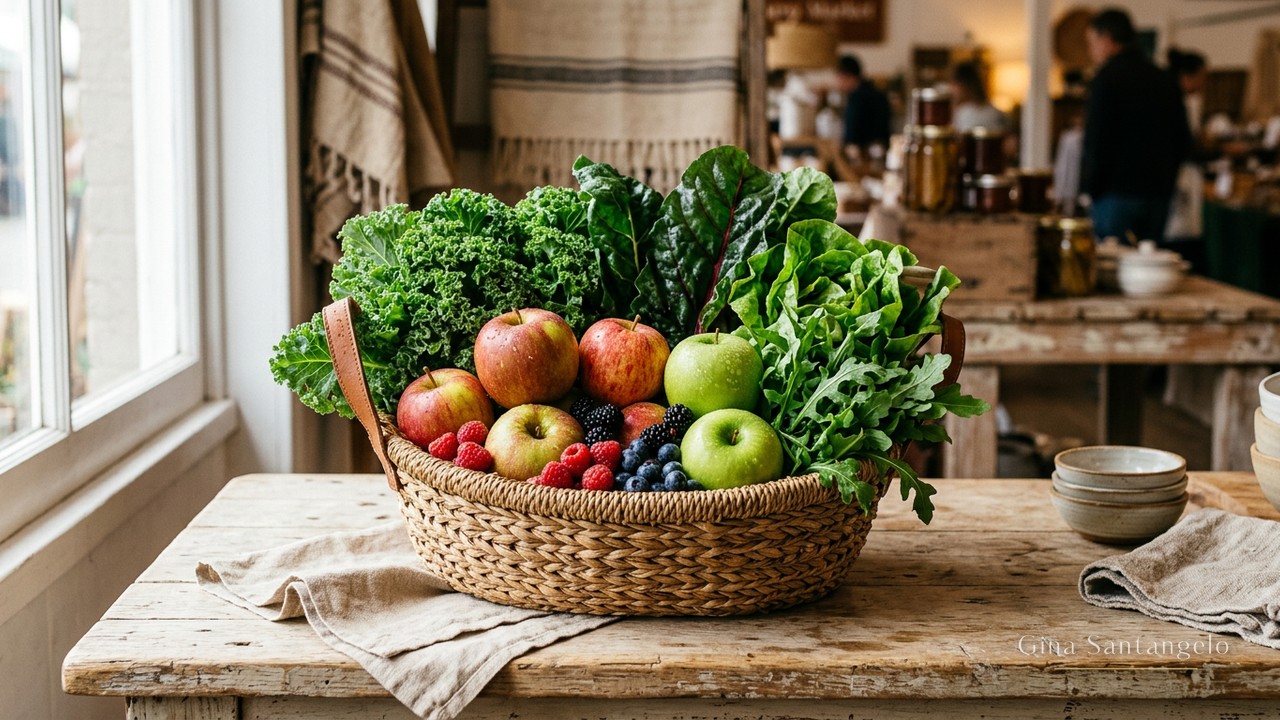
Organic can be worth it, but not for everything, and not if it stops you from eating produce at all. The goal is simple: get the most benefit for your budget, without the fear.
The two lists worth knowing
Each year the EWG publishes the Dirty Dozen (produce that tends to carry the most pesticide residue) and the Clean Fifteen (the least). Together they’re a practical cheat sheet, not a verdict.
Where organic earns its price
If you’re spending a little more, spend it on the Dirty Dozen, thin-skinned things like berries, spinach, and apples. For the Clean Fifteen, avocados, onions, sweet corn, conventional is perfectly fine.
Budget-friendly shopping
Buy organic where it counts, conventional where it doesn’t, and let frozen organic fill the gaps affordably. A cart full of conventional vegetables beats an empty one on principle.
Wash your produce either way
A good rinse under running water removes a meaningful share of surface residue and dirt from any produce, organic or not. Simple and effective.
Keep the fear in check
The real risk isn’t a conventional apple, it’s not eating the apple. Eating plenty of produce, by any label, is one of the healthiest things you do all day.
Buy organic where it matters most, conventional where it doesn’t, wash everything, and keep eating your vegetables. Health is shaped by the pattern you keep, not by chasing a perfect, spotless cart.