
Not So Pretty In Pink
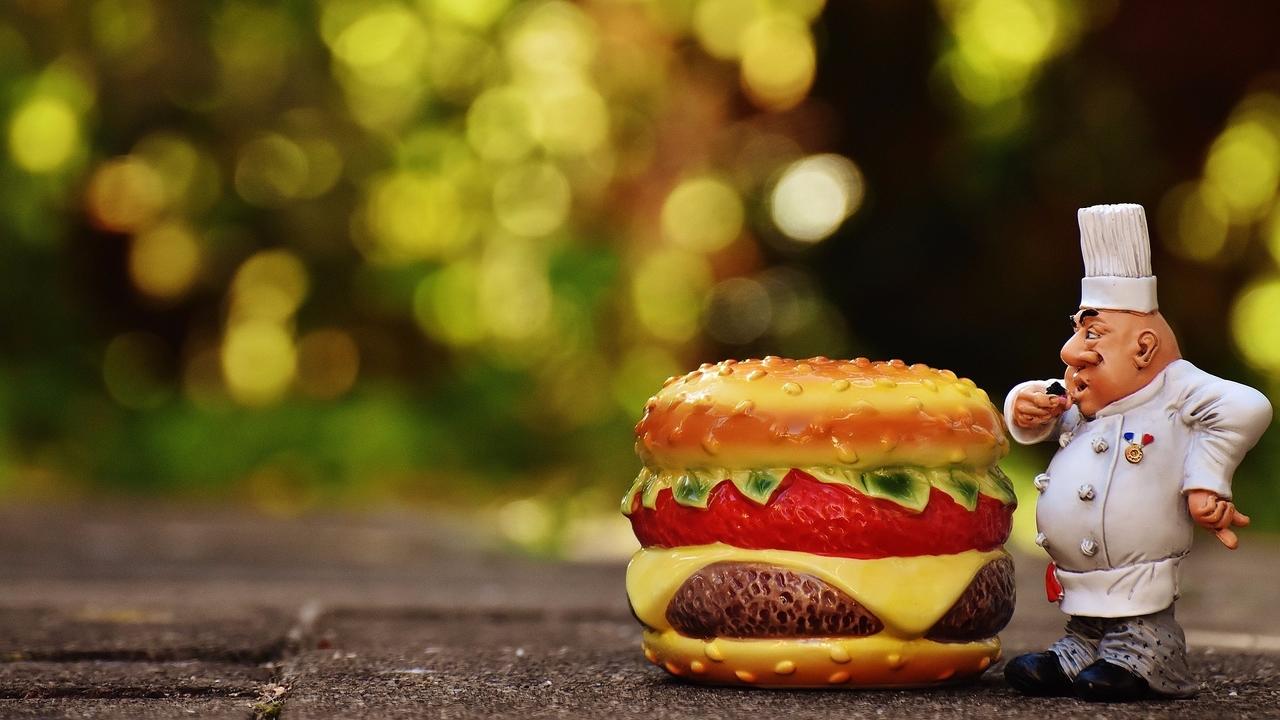
“Pink slime” — the meat industry’s “lean finely textured beef” — is a reminder to read labels and know what’s really in the food we buy.
You slide into the cozy corner booth; a small candle flickers with dancing light. As you browse the menu, the jumbo burgers catch your eye. It’s been a while, and just the thought of a generous, juicy burger with all the trimmings has your mouth watering. The server arrives with a killer smile, pen in hand. “I’ll have the House Special Jumbo Burger,” you announce happily.
“One pink slime patty coming right up!” he responds…
“Uh, actually… can you change that to the house salad?”
Pink slime doesn’t really sound like something you want to ingest. But if you heard “lean finely textured beef” — the meat industry’s name for the very same thing — you probably wouldn’t bat an eyelash. So what’s in a name? Well, a lot.
The processed beef product known as pink slime was only found in pet food and cooking oil before 2001. That year it was approved for “limited human consumption” and added to ground beef and some processed meats (not to exceed 25 percent of the total product). Factories mixed beef scraps with fat and cartilage in a centrifuge, and the beefy combo was then treated with a puff of ammonia to fight bacteria — and ultimately added to ground beef as filler.
The following eloquent explanation was published in the May 2012 issue of Mary Jane’s Farm Magazine: “Ten years ago, the rejected fat, sinew, bloody effluvia, and occasional bits of meat cut from carcasses in the slaughterhouse were a low-value waste product called ‘trimmings’ that were sold primarily as pet food. No more. Now, Beef Products Inc. of South Dakota transforms trimmings into something they call ‘boneless lean beef.’ In huge factories, the company liquefies the trimmings and uses a spinning centrifuge to separate the sinews and fats from the meat, leaving a mash that has been described as ‘pink slime,’ which is then frozen into small squares and sold as a low-cost additive to hamburger.”
It wasn’t until 2002, when a microbiologist was identifying what ground beef is really made of, that he classified and referred to this additive as pink slime.
When ABC ran a series of reports on the controversial additive (which had previously been classified as meat), the media and public went wild. According to those reports, 70% of ground beef sold in U.S. supermarkets was pretty — or not so pretty — in pink slime. Consumers were outraged; some businesses immediately stopped selling ground beef with pink slime, while others did not.
Here are a few interesting facts:
- Announced they would stop using it (end of 2011) — McDonald’s, Burger King, and Taco Bell.
- Never used it — Wendy’s, In-N-Out Burger, Red Robin, and Whataburger.
Pink slime beef has consistently been used in many school districts; in a single year, contracts covered more than 100 million pounds of it for our schools.
These supermarket chains said they do not carry products with pink slime:
- Safeway
- Costco
- Stop & Shop
- Whole Foods Market
- Kroger
The pink slime uproar is really about staying informed. Bottom line: we need to know what’s in the food we buy so we can make educated decisions, and comprehensive, accurate labels would be a great start. My book, “Eat Clean, Live Free,” digs into exactly this.
When the mind needs somewhere to land
Everything in this wing points, in the end, to the same place — the breath, and the nervous system beneath it. It is why I built SOVA: a quiet companion for the moments in between.
- Today — a daily practice that aligns you before the day pulls you a dozen directions.
- Companion — a place to process any feeling, even the happy ones.
- Pages — a soft place to set your thoughts down and out of your head.
- The House — rooms of calm to step into, whenever you need one.